
GBP/USD has surged from the mid-1.34 range to trade between 1.3540–1.3600, reaching a four-month high and confirming a distinct macro shift in favor of Sterling. The catalyst is not emotion but concrete information. In December, UK Retail Sales experienced a 0.4% month-over-month increase, surpassing expectations of a -0.1% decline. Additionally, annual growth improved from 1.8% to 2.5%, exceeding the consensus of 1%. A clear positive demand surprise at year-end, not merely a statistical anomaly. The performance of business operations substantiates the narrative. The flash Services PMI increased from 51.4 to 54.3, the Composite PMI rose from 51.4 to 53.9, and Manufacturing PMI advanced from 50.6 to 51.6. All three are positioned above the 50 expansion line, and they have all advanced in unison. The interplay of stronger consumption and widespread PMI robustness compels rate markets to reassess the pace and extent of Bank of England easing, thereby establishing a fundamental support level for GBP against USD. The prevailing interest rate environment intensifies the impact of the data surprise. The Bank Rate is currently at 3.75% following the December reduction, while core CPI is approximately 3.9%, which is nearly 1.9 percentage points above the 2% target. As growth and demand strengthen, the threshold for swift reductions remains elevated. Every upside surprise in real activity, with inflation remaining close to 4%, diminishes the pressure on the BoE to implement easing measures and inherently enhances the attractiveness of GBP carry. The latest movement in GBP/USD is a clear indication of current market dynamics. Markets that just weeks ago were optimistic about a clear path for BoE cuts must now adjust to a central bank that can convincingly maintain a restrictive stance longer than the Fed. A policy rate of 3.75%, supported by almost 4% core inflation, does not suggest an impending currency collapse. The current environment suggests that movements toward 1.34–1.35 draw in buyers instead of leading to a decline toward 1.30.
The US side of the pair appears to be less straightforward. The final January University of Michigan Consumer Sentiment reading came in at 56.4, marking a five-month high and surpassing expectations. Current one-year inflation expectations are approximately 4.0%, while five-year expectations hover around 3.3%. At first glance, that combination suggests a central bank that should remain cautious about making premature cuts. However, rate expectations have shifted in the opposite direction. The Fed funds target range is 3.50%–3.75%, which is approximately in line with the Bank Rate; however, market expectations indicate more than 100 basis points of cuts anticipated through 2026. Weekly jobless claims have edged up, indicating a cooling labor market, and investors are prioritizing the potential for more accommodative policy over slightly persistent inflation expectations. The combination of robust sentiment, easing labor conditions, and a pronounced cut curve positions the Dollar at a disadvantage compared to a currency supported by more favorable incoming data and a tighter central bank stance.
Beyond the macro prints, the USD is facing a credibility discount. Ongoing tariff threats, an aggressive trade strategy, and public disputes regarding the Fed’s autonomy contribute to a significant perception issue. The involvement of a sitting Fed governor in a Supreme Court case following an attempted removal, along with reports of a criminal inquiry related to the Fed chair’s testimony, represents an unusual and significant backdrop for the world’s reserve currency. In the realm of FX markets, the situation is straightforward. A currency associated with a central bank seen as vulnerable to political influence tends to trade at a lower premium compared to one where the policy committee appears to be insulated from such pressures. The simultaneous arrival of pressure alongside an aggressive easing profile significantly amplifies the impact on the Dollar. GBP, supported by data that advocates for patience at 3.75%, stands out as one of the most evident beneficiaries of that repricing. The weakness of the Dollar extends beyond just the Cable narrative. The broad US Dollar Index is currently positioned around 98.76, approaching its lowest point since early October and reflecting a decline of approximately 1.6% for the week, marking the steepest weekly drop since last May. This type of movement indicates a true repositioning, rather than mere fluctuations surrounding an isolated exchange. The strength of the Euro plays a significant role, considering the single currency’s 57.6% weight in the basket. However, the most apparent macro divergence is seen in GBP: UK data has been surprising to the upside, while US policy expectations are shifting dovishly amidst a backdrop of political noise. Simultaneously, the abundance of Dollar longs in pairs such as USD/JPY encounters headline risk, as the 160.00 level continues to draw intervention discussions, heightening the potential for an unwind that could impact DXY.
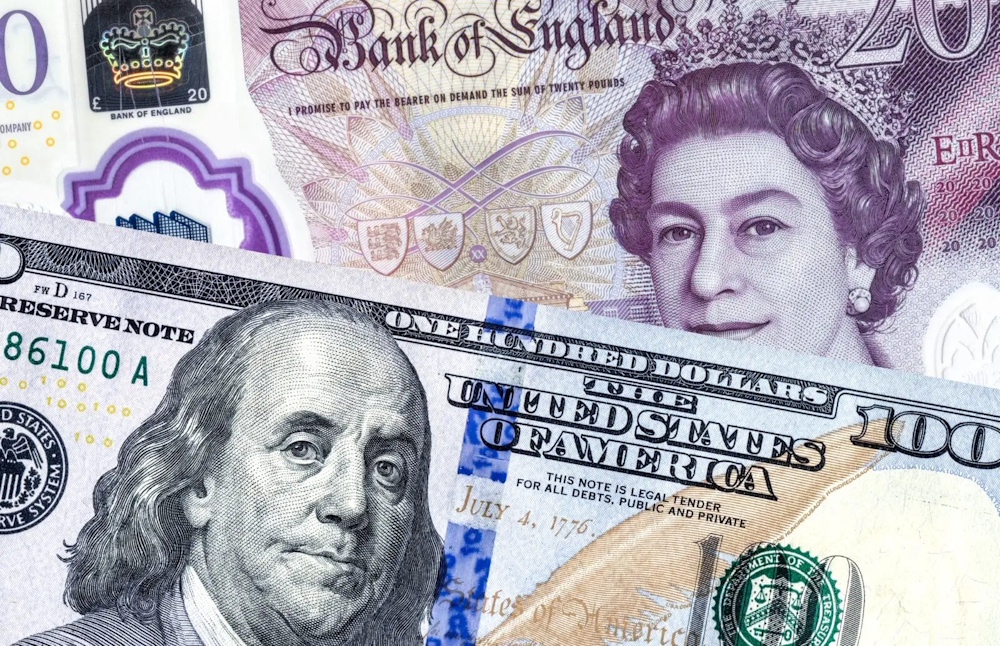
GBP/USD is positioned favorably within that flow, merging a strong domestic narrative with a general decline of the USD. The visual that perplexes those outside the FX market—£1 continues to purchase more than $1—represents a unit illusion rather than a measure of strength. As of mid-January 2026, the pair has remained around 1.34 for several months and is now trending towards 1.36. The figure represents the value of one currency expressed in relation to another currency. This should not be viewed as a measure of economic size, wealth, or “real” strength. Fiat units lack inherent value. The pound represents a historical unit whose contemporary value is a result of historical developments. There is no worldwide system in place that routinely adjusts currency units to ensure their face values are in alignment. The UK has the potential to redenominate at any moment, establishing that one “new pound” is equivalent to ten old pounds; as a result, GBP/USD would immediately adjust to around 0.136, yet the underlying economic reality would remain unaffected. The focus should be on the pair rather than the individual unit. The behavior of GBP/USD mirrors that of other trading pairs: its price is determined by relative flows, yield, risk, and expectations, rather than by national pride or the figure preceding the symbol.