
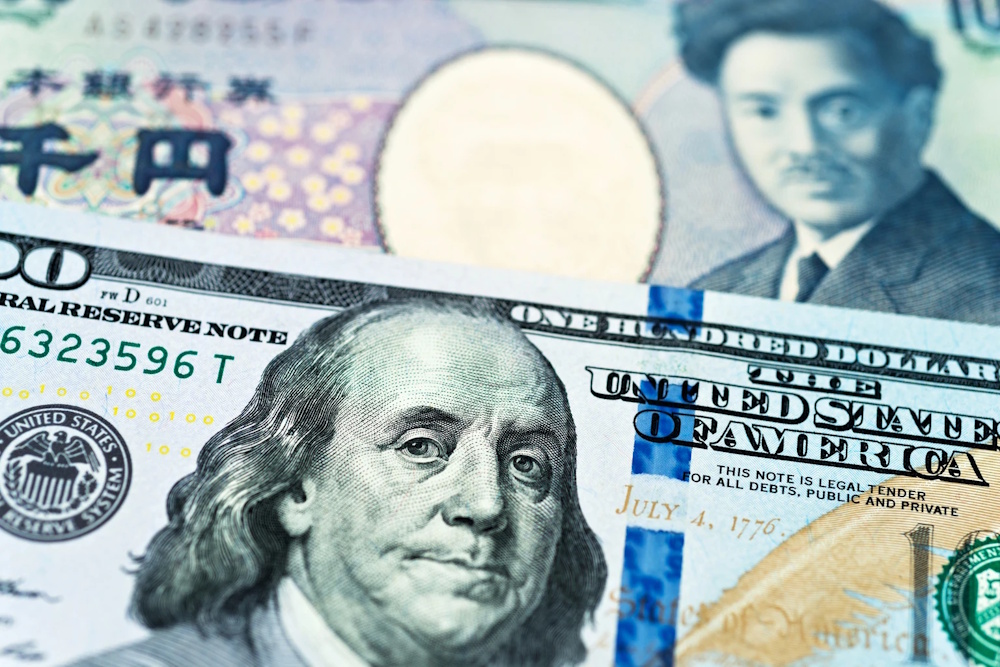
USD/JPY is positioned at 158.95, reflecting an increase of 89 pips during the session. The Japanese yen is facing multifaceted pressure, influenced by a strengthening U.S. dollar, escalating Treasury yields, Japan’s inherent energy vulnerabilities, and growing skepticism regarding the Bank of Japan’s ability to implement the two anticipated rate hikes by the end of the year. The pair has fully recovered from two distinct selloffs that had previously pushed it away from the intervention zone: the January 23 rate check by Japanese officials that momentarily pressured USD/JPY lower, and the decline following the LDP super-majority election. Both of those actions have been executed. The pair has returned to levels that prompted Tokyo to reach out to U.S. banks to express concerns regarding one-sided positioning. The prevailing inquiry at this moment revolves around the potential for Japan to intervene once more — and whether such action would yield results that are more sustainable than the previous two efforts. The year-to-date peak for USD/JPY is recorded at 159.45, established in January. The current level stands at a distance of 50 pips. Beyond 159.45, the next significant resistance cluster is the 160.00 psychological handle — a level that, if breached on a weekly close, paves the way to the 2024 peak zone at 162.00. Any value exceeding 162.00 positions USD/JPY at levels not seen in 40 years. Japan’s Ministry of Finance and the Bank of Japan are keenly attuned to this arithmetic, which explains why the diplomatic and currency market pressure escalating toward 160.00 is unprecedented since the intervention episode of July 2024.
The increase in USD/JPY on Wednesday can be attributed to a clear and measurable factor: the U.S. dollar stands out as the sole major currency that gains from surges in oil prices instead of suffering adverse effects. Japan relies heavily on imports for nearly all of its energy needs. The Middle East provides an outsized portion of that energy supply. When Brent crude surges from $88 to $120 and subsequently plummets back to $88 within 48 hours due to Hormuz-related volatility, Japan encounters a significant import cost shock, a decline in its current account, and an inflationary pressure that the Bank of Japan may struggle to mitigate through interest rate increases, especially without exacerbating the challenges faced by an economy already shaken by Nikkei selloffs. The United States produces approximately 13 million barrels of oil daily and operates as a net exporter. Increased oil prices contribute to inflation in the U.S., yet this dynamic strengthens the Federal Reserve’s hesitation to lower interest rates, ultimately bolstering the dollar. The disparity is pronounced and can be clearly observed in the current movement of USD/JPY. On Wednesday, U.S. 2-year Treasury yields reached their peak level since September. This singular data point captures the complete fundamental landscape of USD/JPY. The 2-year yield serves as the market’s clearest indication of expectations regarding the Fed funds rate in the short term. When 2-year yields increase, the market is adjusting expectations regarding Fed rate cuts and anticipating an extended duration of restrictive policy. The differential — the gap between U.S. short-term rates and Japanese rates — serves as the driving factor that propels USD/JPY upward. Each basis point of yield differential presents a compelling rationale for holding dollars while divesting from yen in the carry trade, which is currently being reestablished with significant intensity.
The February CPI in the U.S. came in precisely as anticipated: the headline stands at 2.4% year-over-year, consistent with January’s figure, and shows a month-over-month increase of 0.3%, up from January’s 0.2% monthly rate. Core CPI registered at 2.5% year-over-year, remaining unchanged, while the monthly figure decelerated to 0.2% from January’s 0.3%. The in-line print represents the most favorable CPI outcome in terms of dollar support given the current economic conditions. A shortfall would have provided the Federal Reserve with justification to implement cuts earlier, leading to a depreciation of the dollar. A positive surprise would have heightened concerns about a recession. A print at 2.4% — surpassing the Fed’s 2% target amid rising oil prices due to the Iran conflict — indicates that the Fed faces challenges in cutting rates without potentially triggering a second wave of inflation. The current sentiment in the markets indicates a diminishing belief in the possibility of Fed rate cuts in 2026, with U.S. 2-year yields reflecting this adjustment in real-time. Friday’s PCE report will either validate or challenge this perspective. The circumstances surrounding the Bank of Japan are indeed challenging and deteriorating. The Japanese CPI has registered below the BOJ’s 2% target, which has been consistently highlighted by the central bank as the essential condition for assured policy normalization. Prime Minister Takaichi’s political resistance to aggressive rate hikes introduces an additional layer of institutional limitation. The poll released on Wednesday indicates that the BOJ is largely anticipated to maintain its key interest rate at 0.75% during the March 19 meeting. Around 60% of economists foresee the policy rate rising to 1.00% by the end of June, suggesting an additional 25 basis point increase within the next three months.
The issue at hand is that the market is anticipating approximately two BOJ rate increases by the end of the year, and this expectation appears to be becoming more tenuous in light of the prevailing macroeconomic conditions. A Nikkei selloff influenced by U.S.-Iran war risk and energy cost pressures does not create a favorable economic backdrop for a central bank to confidently increase rates. A 10% decline in Japanese equity markets signifies a wealth effect and confidence shock that negatively impacts consumption, business investment, and growth expectations — thereby weakening the rationale for BOJ tightening rather than strengthening it. If expectations for a BOJ rate hike are delayed while Fed cut expectations are also extended, the interest rate differential increases, providing a fundamental basis for USD/JPY to rise above 160.00 without any immediate catalyst for a reversal. Japan’s oil reserve position provides a limited short-term safeguard. Domestic stockpiles provide coverage for over 200 days of domestic consumption — a significant buffer that affords Japan greater flexibility compared to many energy-importing countries during a severe supply crisis. However, the issue with reserves is that they are eventually depleted. Refilling them in a market where oil is priced between $87 and $92 per barrel — with the possibility of rising further if Hormuz stays effectively closed — indicates that Japan will be procuring costly replacement barrels in a constrained environment. The refill cost represents a prospective liability for the current account, which the market is starting to incorporate into its assessments of yen depreciation, in conjunction with the more apparent immediate impact of energy import price surges.