
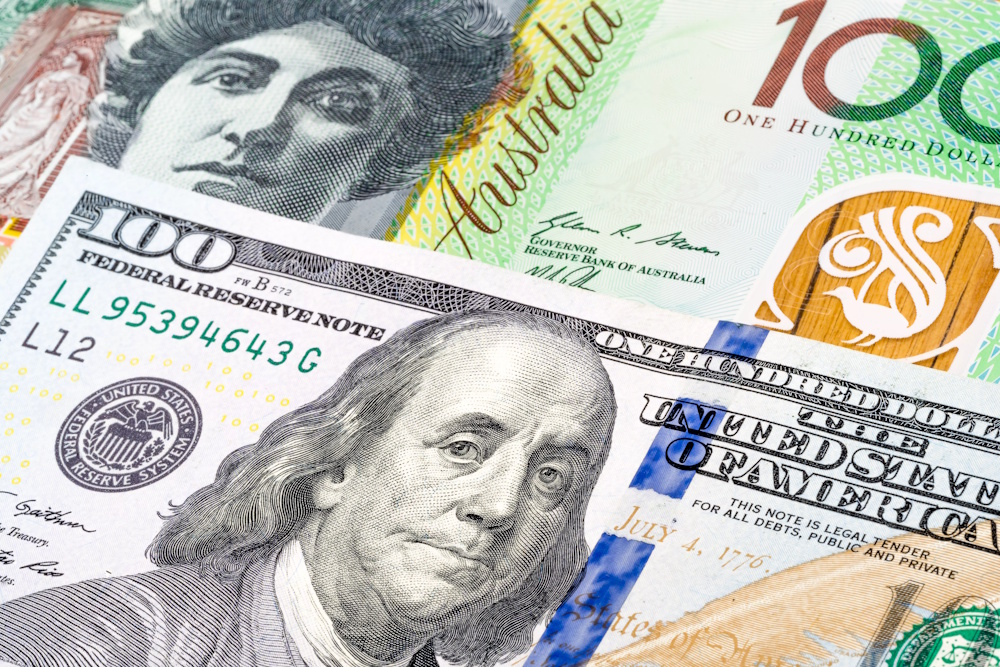
The Australian Dollar continues to experience losses as China’s Retail Sales showed a modest increase of 0.2% year-over-year in April, falling short of the anticipated 2.0% and the previous 1.7% figure. Fed officials emphasized the importance of controlling inflation, indicating that additional interest rate hikes may be required if price pressures continue to be a concern. The US Dollar secures safe-haven support amid ongoing tensions, with the US and Iran still at an impasse in negotiations. AUD/USD continues its downward trend for the third straight day, hovering around 0.7130 in the Asian trading session on Monday. The pair declines in value after the release of significant economic data from China, a crucial trading partner for Australia.
In April, China’s Retail Sales experienced a year-over-year increase of 0.2%, falling short of the anticipated 2.0% and a decline from March’s 1.7%. Chinese Industrial Production surged 4.1% YoY during the same timeframe, falling short of the 5.9% forecast and the 5.7% recorded earlier. In April, Fixed Asset Investment reported a decline of -1.6% year-to-date YoY, falling short of the anticipated growth of 1.6%. The March reading showed an increase of 1.7%. The AUD/USD pair is experiencing a decline as the US Dollar strengthens, driven by the US Federal Reserve adopting a more aggressive approach to tackle inflation.
Recently, multiple Fed officials underscored that their primary focus is on controlling inflation, even hinting that additional interest rate hikes might be required if price pressures continue. Financial markets have dramatically raised the probability of a December rate hike to almost 48%, a significant jump from merely 14% just a week ago, as reported by the CME FedWatch tool. Meanwhile, the Greenback is gaining traction as safe-haven demand rises in response to ongoing geopolitical conflicts. The United States and Iran continue to be at an impasse regarding a resolution to the ongoing conflict, which has significant implications for the reopening of the vital Strait of Hormuz shipping route.
US President Donald Trump heightened the stakes by issuing a public warning to Iran, urging them to make progress or confront new repercussions. The ongoing closure of the Strait is driving global oil prices higher, imposing a significant economic strain on nations dependent on energy imports. Investor anxiety on a global scale intensifies as Chinese leader Xi Jinping cautions President Trump that Taiwan may spark direct confrontations between their two economies.
