
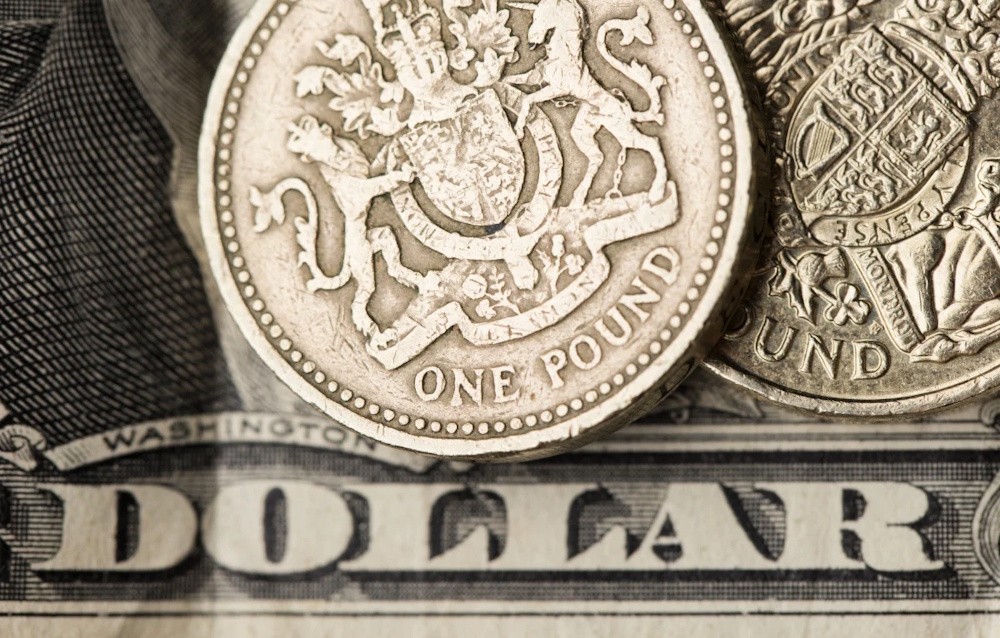
GBP/USD held at 1.3389 on Monday, finding support near 1.3370 and maintaining its recovery near 1.3400, as sterling rebounded from the weekend’s risk-off shock while the dollar’s safe-haven appeal diminished in light of Iran mediation signals. The contrast with the euro is noteworthy: while EUR/USD remains at one-year lows near 1.1390, cable has managed to approach a two-month high, reaching a three-week peak near 1.3450 last week before entering a consolidation phase. The pound stands out as the relative outperformer against the dollar bloc, primarily due to domestic factors. The decline in UK political risk following Prime Minister Keir Starmer’s resignation, coupled with Andy Burnham’s seamless ascent to the Labour leadership and potential premiership, has alleviated the instability that had burdened sterling for several weeks. Cable is not contending with the dollar solely on the basis of rate divergence; it is benefiting from a political-risk unwind that the euro is unable to replicate. The forecast hinges on a duo confronting critical resistance, bolstered by an uncommon tailwind. Sterling benefits from two supports that the euro does not possess: the political-risk collapse that has bolstered confidence in the UK outlook, and a Bank of England compelled to adopt a more hawkish stance due to the Hormuz oil shock, which poses a risk of exacerbating energy inflation in a UK economy particularly susceptible to such pressures. Two dissenters from the Bank of England at the June meeting have already advocated for interest rate hikes, and each firm inflation report bolsters their position — a situation that underpins the strength of the pound. However, cable is currently examining the crucial Fibonacci resistance at the 1.3460/73 yearly-open zone, where the multi-week rally may be susceptible to a significant reversal. The sell-side anticipates that sterling could decline toward the 1.24-1.31 range in the medium term due to persistent dollar strength. The pair is optimally interpreted as fluctuating within the bounds of the 1.3165 June low and the 1.35/1.3550 resistance. The outcomes of Tuesday’s US CPI and the July 30 BoE-Fed double-header will determine whether the currency pair surpasses 1.35 towards 1.3650 or reverts back to 1.3165. Sterling exhibits momentum; the resistance levels and the underlying data will determine its sustainability.
The primary factor contributing to the pound’s superior performance is the landscape of domestic politics, which has led to a rapid reduction in the associated risk premium. Prime Minister Keir Starmer resigned three weeks ago, and the extended uncertainty surrounding the succession has been a significant factor in restraining sterling. This political discount has been integrated into the currency, thereby suppressing its value irrespective of the prevailing rate outlook. The resolution emerged decisively: former Greater Manchester mayor Andy Burnham garnered the backing of a substantial majority of Labour MPs to succeed Starmer, establishing an unchallenged route to the leadership that alleviated worries regarding political instability. Burnham is anticipated to receive the nomination for Labour leader on Friday and assume the role of Prime Minister on July 20, marking a seamless transition of power that has revitalised confidence in the political landscape of the UK. The mechanism from politics to the pound is direct. Political uncertainty imposes a risk premium on a currency; investors require compensation for holding assets in a nation grappling with an unresolved leadership issue. As this uncertainty dissipates, the premium diminishes, leading to a strengthening of the currency. Sterling’s robust performance over the past week underscores the extent to which prolonged uncertainty had been a dampening factor: as market participants further diminished the political risk associated with the pound, cable surged to three-week highs, effectively squeezing the bearish positions that had accumulated during the period of instability. The position squeeze contributed to the momentum, compelling short sellers to cover as the political landscape became more defined. The forecast indicates that the political-risk collapse serves as a significant and lasting tailwind for sterling, setting it apart from the euro, which contends with its own political challenges stemming from uncertainties in French leadership. The Burnham transition serves as the pound’s structural support, and provided it continues to progress smoothly toward July 20, it bolsters cable’s resilience. The political premium has largely unwound, indicating that the pound requires new catalysts beyond the political sphere to sustain its rally. These catalysts are found at the Bank of England and within the economic data.
The Bank of England offers a secondary layer of support for sterling, while the Hormuz oil shock has, paradoxically, bolstered its value. The BoE maintains its Bank Rate at 3.75%, consistent with the decision made during the June meeting, which concluded with a 7-2 vote. Notably, two members expressed dissent, advocating for an increase. Currently, the market anticipates at least one 25-basis-point rise by the conclusion of 2026. The Hormuz escalation, which spiked oil more than 5% toward $75, serves as a counterintuitive catalyst: given the UK’s acute vulnerability to energy shocks as a net importer, rising oil prices pose a risk of feeding inflation, compelling the Bank of England to adopt a more hawkish stance, thereby supporting the pound. The same oil spike that pressures growth-sensitive currencies elsewhere elevates sterling through the rate-expectations channel. The dynamic permeates the internal debate of the BoE. The two dissenters in June articulated their concerns regarding the potential for an energy shock to influence wage and price-setting dynamics. Each inflation reading from firms bolsters their position and increases the likelihood of a rate hike. Persistent services inflation in the UK, currently at approximately 3.7%, represents the most compelling argument for a pro-sterling stance. As long as this trend continues, the market may maintain expectations for a hawkish hold or potentially a future rate increase, thereby favouring the rate differential for the currency pair. The paradox is sharp: a Middle East supply shock that would normally hurt a growth-sensitive currency instead supports the pound because it hardens the BoE’s inflation-fighting resolve. The forecast indicates that the BoE’s stance represents a genuine but conditional support—dependent on UK inflation remaining sufficiently persistent to sustain the expectations for rate hikes. The risk is that the sell-side has started to question the case for a rate hike, with some now anticipating no increases from the BoE this year as the central bank navigates the short-term inflation shock and considers labour-market slack. That divergence of views is the essence of the pound’s near-term uncertainty: if the BoE hawks prevail, cable advances; if the doves dominate due to growth concerns, sterling’s rate support diminishes. The oil shock serves as an unforeseen ally for the pound; however, its sustainability is contingent upon forthcoming inflation data.
The dollar side of the equation experienced a shift during intraday trading on Monday, which favoured the pound. The weekend Hormuz escalation initially prompted a safe-haven bid into the greenback; however, by the European session, the dollar began to lose that haven demand as Iran confirmed mediation efforts with the U.S. Consequently, cable rebounded near 1.3400 as the risk premium eased. The dollar’s failure to maintain its safe-haven gains reflects a consistent trend — even in the face of rising U.S.-Iran tensions, robust market sentiment has consistently curtailed demand for the greenback, resulting in the currency’s difficulty in sustaining its risk-off rallies. The fading haven bid is what allowed sterling to recover on Monday, despite the ongoing tension in the broader geopolitical backdrop. The dollar’s underlying support, however, remains robust and limits cable’s potential for appreciation. The greenback derives its strength from the Federal Reserve’s hawkish, higher-for-longer stance, robust U.S. growth, and Treasury yields reaching a seven-week high of 4.59% — a trifecta that the sell-side anticipates will sustain the dollar’s upward trajectory against most major currencies. The market interprets the dollar’s recent strength as a result of two significant economic shocks — the AI investment boom and the surge in oil prices — factors that appear increasingly likely to persist and sustain support for the greenback. The US Dollar Index is currently approaching significant resistance around 101.39, a threshold that has proven resilient in previous attempts. A decisive breach above this level, particularly in the context of a robust US Consumer Price Index, could serve as the impetus for a decline in cable rates. The forecast presents the dollar’s dynamics as a dual influence: the diminishing safe-haven demand due to de-escalation optimism allows for a short-term rally in sterling. However, the underlying strength of the dollar, driven by the Federal Reserve’s hawkish stance and persistent economic tailwinds, limits the potential upside for cable and supports the bearish outlook from the sell-side in the medium term. The pound’s resilience on Monday is notable, yet it relies on the dollar’s haven demand remaining muted — and the upcoming CPI on Tuesday has the potential to alter that dynamic swiftly. The dollar maintains a dominant position in relation to the data.
