
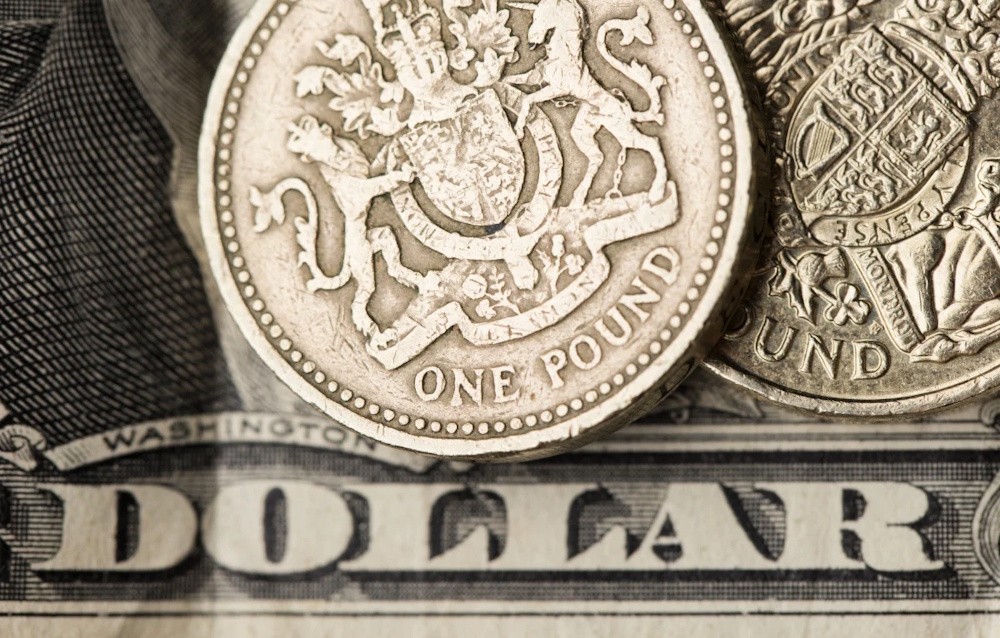
The GBP/USD pair is currently trading at 1.33 United States Dollar, showing a 0.23% intraday increase after recovering from earlier lows near 1.3296. Sterling’s strength continues to build as investors anticipate synchronized policy easing from both the Federal Reserve and the Bank of England. The price action continues to show strong support above the 15-day moving average at 1.3235 and the 20-day at 1.3213, indicating a confirmed short-term uptrend. The pair is currently positioned above its 200-day simple moving average at 1.3333, which serves as a pivotal benchmark distinguishing recovery from retracement. Momentum continues to show positive signs with the RSI at 57.8, indicating ongoing buying pressure as traders aim for a confirmed breakout within the 1.3350 to 1.3500 resistance range. Macro Drivers: The Dual Easing Cycle Influences GBP/USD Trajectory The immediate focus is on the Federal Reserve’s upcoming policy decision. The current market expectations indicate an 87% likelihood of a 25 basis-point rate cut, which would adjust the Fed funds rate to a range of 3.50% to 3.75%, representing the third reduction in 2025. U.S. job data continues to indicate a gradual cooling trend, with job openings experiencing a slight increase to 7.67 million in October from 7.658 million. Inflation pressures are currently contained yet persistent, with the Core PCE index remaining slightly below the 3% threshold. The Federal Reserve faces the challenge of striking a balance between controlling inflation and achieving its soft-landing goals.
Any indication from Jerome Powell that this will be the last cut in the cycle could provide a temporary boost to the U.S. Dollar, whereas ongoing dovish guidance would likely push GBP/USD gains toward the 1.34–1.35 range. Across the Atlantic, the Bank of England encounters comparable pressures. Given that headline inflation remains close to 4.1% and GDP growth is hovering around zero, market expectations are leaning towards a 0.25% reduction in rates at the meeting on December 18. Current futures indicate a 92% probability of easing, suggesting that policymakers might focus on supporting growth rather than strictly controlling inflation. The interplay between the Fed and the BoE results in a notably tight yield differential, favoring the pound in the short term. The UK economy continues to exhibit fragility, yet it is not experiencing a decline. November PMIs indicated a slight recovery, with services at 50.6 while manufacturing remained behind at 48.9. The Autumn Budget provided limited fiscal relief, leading to increased portfolio inflows into sterling-denominated assets and aiding in counterbalancing disappointing consumer spending figures. The U.S. Dollar Index is currently at 99.03, showing a decline of 0.21%, indicative of persistent dollar weakness associated with anticipations of a prolonged easing cycle from the Federal Reserve.
The U.S. has experienced a decline in GDP growth, decreasing from 4.9% in Q3 to an estimated 2.1% in Q4. This shift has alleviated upward pressure on yields and diminished the demand for the dollar as a safe-haven currency. The overall macro mix indicates sustained GBP/USD stability above 1.33, bolstered by risk-on sentiment and rate convergence. Speculative flows indicate a positive outlook. Hedge funds have raised their long positions in the pound for the third week in a row, while retail participation shows a split but is generally leaning towards long positions. Options data indicates significant accumulation at the 1.3450 and 1.3500 call strikes in anticipation of the Fed announcement, suggesting expectations for a continuation of the breakout. The one-week implied volatility is currently at 8.9%, aligning with expectations for a range expansion following the FOMC meeting. Institutional capital is beginning to shift towards GBP assets as the relative monetary outlook becomes more advantageous in comparison to the U.S. Additionally, short covering from positions established in late November contributes further to the upward momentum. The GBP/USD structure is currently exhibiting a bullish trend, characterized by clearly defined parameters. Current resistance is positioned around 1.3350, with the next significant level being the psychological threshold at 1.3500. Support is established at 1.3250, with a more substantial level at 1.3210, aligning with short-term moving averages. The ongoing pattern of higher lows established since early November strengthens the continuation structure, and the ascending 50-day moving average offers dynamic support. A conclusive daily close above 1.3350 would validate an upward trajectory towards 1.3420 and possibly 1.3500. Should support fail to hold above 1.3235, the breakout pattern will be deemed invalid, potentially leading the pair to a corrective pullback towards 1.3150. As we look past December, the markets are poised for varying trajectories from central banks. Should the Fed halt after this last cut while the BoE moves forward with one or two more rate reductions in early 2026, the relative yield spreads may limit sterling’s medium-term potential for appreciation.
However, the political and fiscal dynamics in the U.S. under the incoming Trump administration may exert pressure on the Fed to maintain a stance of continued accommodation, which could favor non-dollar currencies. The possibility of Kevin Hassett, recognized for his dovish perspectives, succeeding Jerome Powell as Fed Chair in 2026 strengthens this scenario. The anticipated policy asymmetry is expected to facilitate GBP/USD’s retention of a wide trading range between 1.32 and 1.36 throughout Q1 2026. Market participants are strategically aligning themselves with several key catalysts: the Federal Reserve’s 25 basis points rate cut, Chairman Powell’s policy guidance, the Bank of England’s imminent decision, the upcoming UK monthly GDP data on Friday, and the U.S. CPI release scheduled for next week. Each has direct consequences for volatility. A dovish Fed tone combined with favorable UK GDP may drive the pair swiftly towards the 1.3450–1.3500 range. On the other hand, a hawkish surprise from Powell or underwhelming UK data could potentially lead to a retracement to 1.3250, although there is considerable buying interest sustained below that level. The current macro and technical landscape is advantageous for the pound. The convergence of rates, an enhanced global risk appetite, and muted U.S. yields together support the bullish outlook for GBP/USD. Short-term objectives are positioned at 1.3420 and 1.3500, with potential for medium-term gains reaching 1.3600, contingent on sustained momentum. The 1.3210–1.3250 zone is critical for sustaining the upward trend. Anticipated short-term declines within that range are likely to draw renewed purchasing interest from institutional desks and systematic funds.