
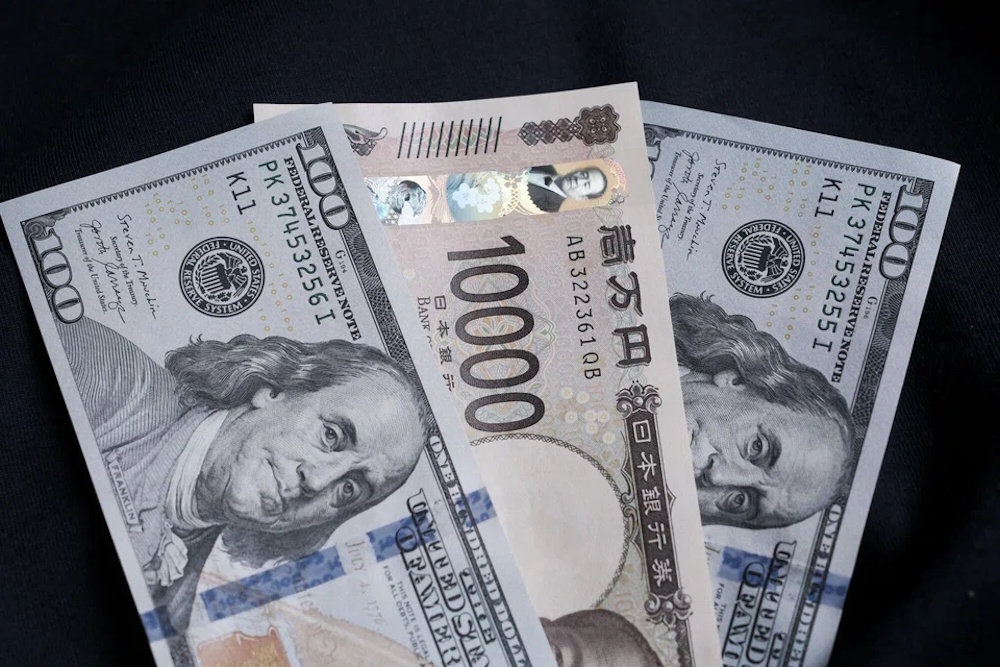
USD/JPY is currently positioned at 159.00 during European trading on Wednesday, remaining just a hair’s breadth away from the 12-day peak of 159.25 reached in the previous session, as the seven-day winning streak finally takes a pause. The pair has recovered approximately 400 pips from the May 6 swing low at 155.04, surged past all intermediate moving averages that the bears were relying on, and now finds itself pressed against the upper limit of the descending channel that has defined the trade since the April 30 spike to 160.73. The prevailing inquiry among G10 FX desks is not if the cross can reach the 160.00 handle once more. It is a question of whether the Ministry of Finance possesses the necessary resources, political support, and economic conditions to effectively defend it this time. The accumulating evidence from yields, oil prices, the Bank of Japan’s inaction, Federal Reserve adjustments, and data on intervention effectiveness increasingly suggests that the answer is no. The US 20-year auction this week exhibited a significant tail and concluded with a high yield of 5.122%. This result should effectively resolve any remaining discussions regarding the potential rollover of the Treasury curve. It is not. The long end of the US curve remains firmly situated within a prolonged higher interest rate environment, as underscored by the FOMC minutes, which articulated this sentiment with notable clarity: several Committee members expressed a desire to eliminate any easing bias from the policy statement altogether. This hawkish inclination has now been reflected in the front-end pricing adjustments by the rates desk.
Every basis point the Fed pricing curve yields to a higher-for-longer scenario results in a wider terminal spread compared to the Bank of Japan. This spread has been the driving force behind every USD/JPY rally since the intervention episode on April 30. On the other side of the differential, the Japanese government bond market is experiencing significant turmoil. The 10-year JGB yield is steadily increasing, following a consistent trend that could realistically reach 3% if the Takaichi administration follows through with the anticipated fresh debt issuance that has already been communicated. However, there lies a challenge for those optimistic about the yen, as they anticipate that the rise in JGB yields will bridge the disparity: even with a 3% yield on the 10-year JGB, it remains over 200 basis points below the US 20-year auction results, reflecting a comparable gap with the 10-year Treasury. The carry on USD/JPY is structurally positive, with the funding cost of yen shorts remaining negligible compared to the dollar yield being earned. The daily asymmetry continues to favor selling rallies in JPY against the dollar, even in the absence of new catalysts hitting the tape. The Bank of Japan is navigating the most challenging policy trilemma among G10 central banks in 2026. Rising domestic price pressures indicate the necessity for interest rate increases. The bond market rout suggests a prudent approach to the acceleration of tapering. The decline of the yen suggests the necessity for a clear defensive interest rate increase. And the Takaichi government’s incoming debt round contends that any aggressive tightening will disrupt the fiscal arithmetic that the JGB curve is already finding difficult to absorb.
Governor Ueda and Deputy Governor Himino have consistently embraced normalization language at every public opportunity, and the market has been interpreting those comments as verbal hawkishness rather than a signal for immediate action. The market has recognized the distinction. Verbal hawkishness from the BoJ tends to dissipate within hours, whereas the structural carry trade maintains its influence over a span of months. Each time a BoJ speaker suggests an acceleration, USD/JPY experiences a dip of 30-50 pips, only to gradually return to its original position within two sessions. The reason is mechanical: the BoJ cannot credibly hike to defend the currency, as this would solidify the view that monetary policy has been overtaken by foreign exchange considerations and would destroy any remaining policy credibility the central bank has built up through the gradual normalization process. The tapering plan is currently under explicit reconsideration, which in itself is a significant indicator. A central bank that must reassess its tapering pace while the currency reaches new highs indicates a loss of control over the sequencing of its normalization cycle. That is not a framework that generates enduring yen strength independently — it results in the type of gradual upward movement that USD/JPY has been exhibiting since the May 6 low. Goldman Sachs released a note this week that has been circulating throughout the morning, and the content is significantly more critical than the way it has been presented in the headlines. The cumulative impact of the Ministry of Finance intervention on USD/JPY, measured per billion dollars spent, has been noticeably less significant in the two weeks following the April 30 operation compared to the interventions in October 2022 and July 2024.
The macro backdrop in October 2022 provided a conducive environment for MoF action, as risk sentiment was declining and the dollar faced momentum challenges. The July 2024 episode experienced a comparable tailwind due to the easing of US data. The operation on April 30, 2026, was devoid of both elements. Goldman is effectively indicating — and the price action has already demonstrated — that intervention can only be effective when the macro environment is at least neutral. When the macro environment is actively pushing in the opposite direction, intervention purchases provide only temporary relief, at best, and the cross tends to mean-revert higher within a week or two. The analysis indicates that the four currency-negative factors impacting the yen — elevated oil prices, US growth outperformance, persistently high Treasury yields, and positive global risk sentiment — each contribute to an increase in USD/JPY. Collectively, these factors generate a force that cannot be countered by intervention alone, unless there is either a coordinated effort from the G7 or a significant change in one of the fundamental drivers.
