
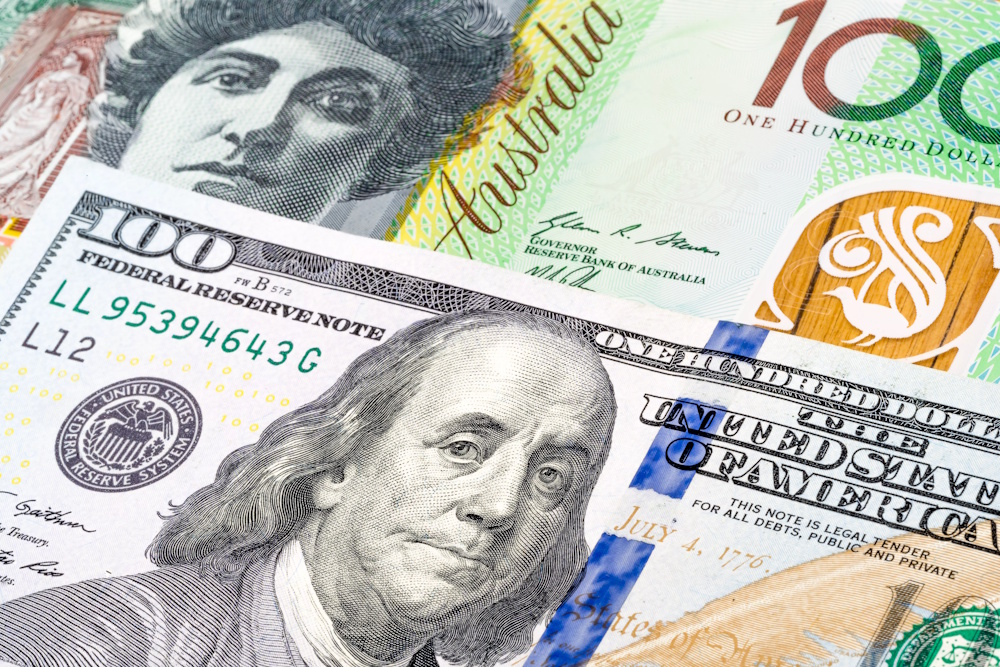
The AUD/USD currency pair consolidated on Friday after recent gains throughout the week, supported by tamer-than-expected U.S. inflation readings that notably diminished the likelihood of a July rate hike. Bullish sentiment accelerated midweek following Federal Reserve Chairman Kevin Warsh’s characteristic reticence regarding the central bank’s strategy for addressing persistently elevated inflation, which has exerted downward pressure on the dollar. The AUD/USD’s upward trajectory commenced on Tuesday following the release of data from the Bureau of Labour Statistics, which indicated a 0.4% decline in the consumer price index for June, resulting in an annual inflation rate of 3.5%. In contrast, analysts had anticipated a 0.2% decrease on a monthly basis and a 3.8% figure on an annual scale. The currency experienced additional buying interest on Wednesday following the release of the U.S. producer price index, which was lower than anticipated, fuelling optimism regarding a potential cooling of inflation.
The softer than anticipated data has provided a considerable uplift for the Aussie, as it has reduced the probability of a U.S. rate hike this month. As of Friday, the CME FedWatch Tool indicates a mere 10% probability of a July increase, a significant decline from the 46% probability observed at the beginning of the week. However, looking further ahead, those who trade the Aussie will likely prepare for additional volatility, as the market continues to anticipate that the Fed will raise rates twice before the year’s end. After breaking down below an established uptrend line earlier this week, the AUD/USD has staged an impressive turnaround as traders have adjusted their positions in response to the softer than anticipated U.S. inflation readings. Below, we examine key support and resistance levels on the one-hour chart that merit attention.
The initial support level to observe is approximately 0.6970. A retracement to this area would likely attract buying interest near the initial pullback that followed the sharp CPI-driven rally, which also closely aligns with the July peak. Bulls’ inability to maintain this level may result in the Australian dollar declining to 0.6960. This area, which has now transitioned from previous resistance to prospective support, is positioned near a significant horizontal trendline that links several notable peaks observed on the chart this month, along with a brief countertrend high from late June. Firstly, it’s worth observing the 0.7020 level. The pair encountered selling pressure in this region on Wednesday, close to a horizontal trend line that extends from the low of a retracement observed on the chart in early June. A bullish move above this level opens the door to a rally toward 0.7050. This region may present overhead resistance on the chart near a significant swing low that was established on June 16.
It is also important to note that this location is situated near a measured move target, which takes the impulsive movement following the CPI print and projects it from the low of the pair’s initial pullback after that significant advance. The AUD/USD’s rally this week received an additional boost from Federal Reserve Chairman Kevin Warsh providing limited insights on the central bank’s strategy to combat persistently high inflation. While other Fed board members have been more proactive in articulating their perspectives on the economic outlook and interest rates, Warsh, acknowledging to lawmakers that prices remain elevated, offered scant detail on the conditions that would prompt a shift towards a more hawkish policy stance.
